
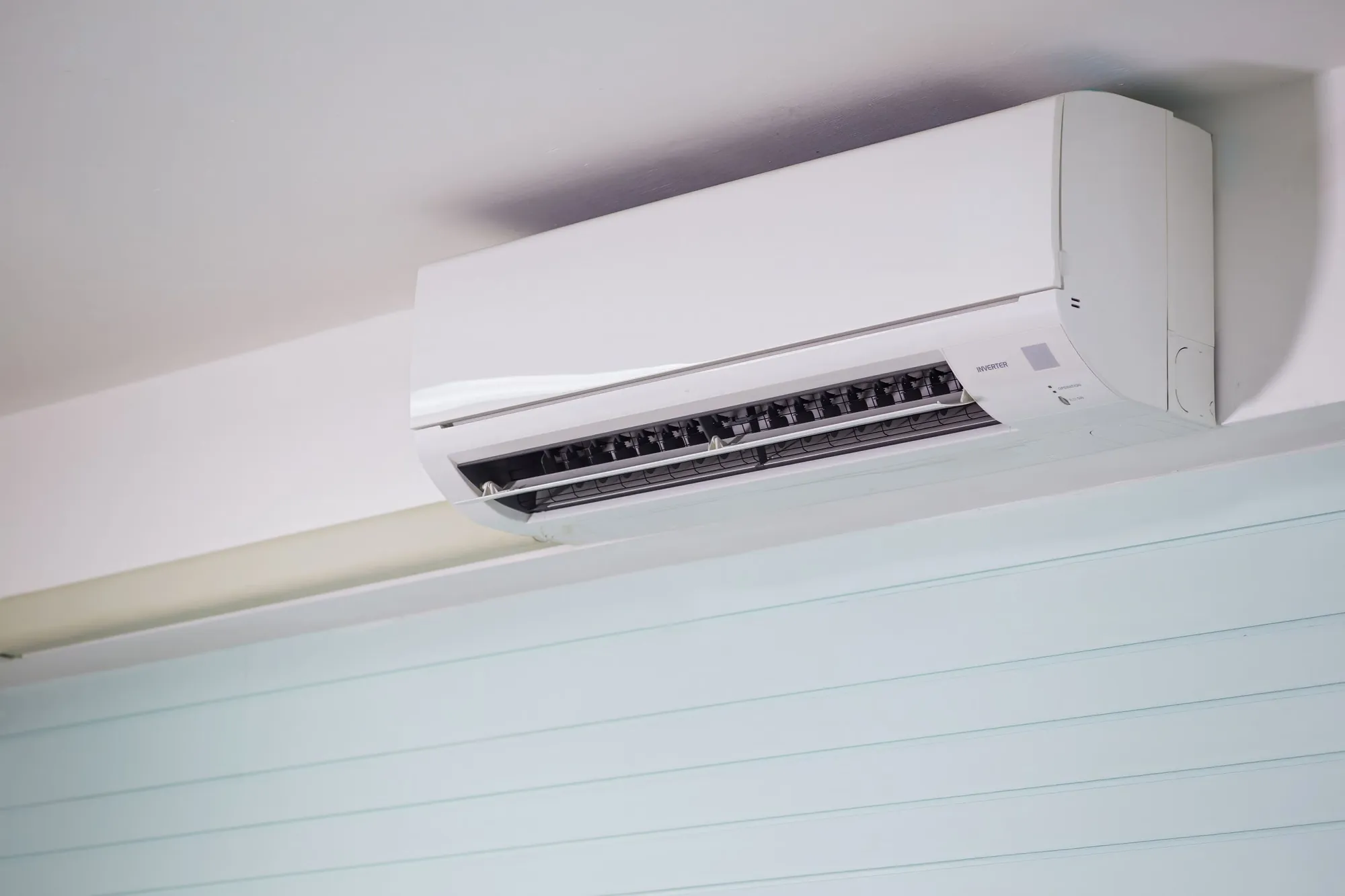
Summer · cooling
A full classroom, comfortable
Summer · cooling
Because one machine runs all day
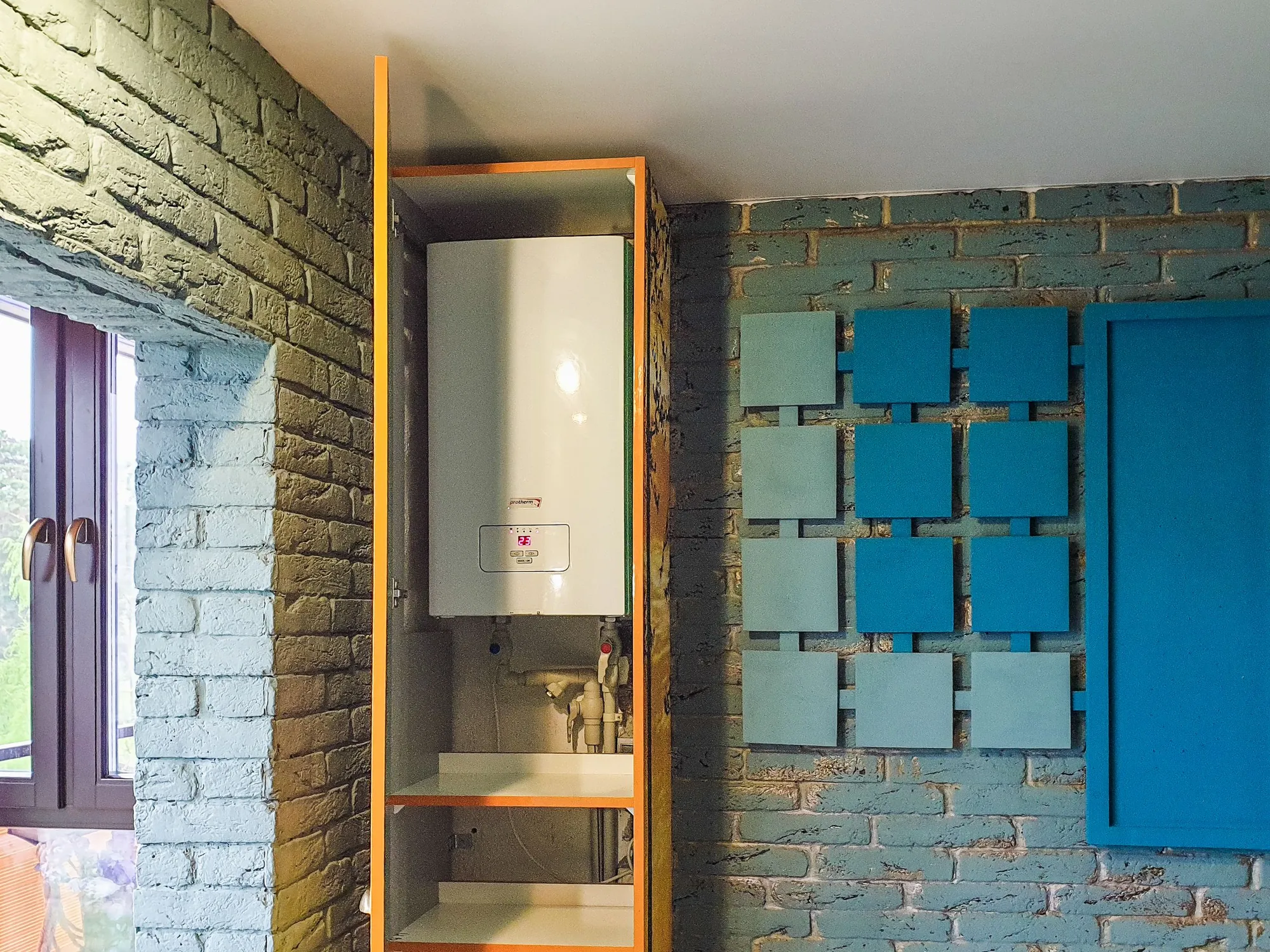
Winter · heating
Hot water, on demand
Winter · heating
Because a heater stays hot
Every air conditioner is telling you something.
ProSensia monitors and controls the air conditioners and electric equipment in your buildings, and is building the maintenance intelligence that comes next.
Two rooms · two machines
Both look fine.
The hidden problem
What neither room shows you.
01 · Cooling
Running hours
The last class ended at five. At nine, the unit is still cooling an empty room.
Running outside schedule: detected today01 · Heating
Kept hot all night
The tank is reheated through the night, for a tap nobody opens until morning.
Geyser monitoring: on our roadmap02 · Cooling
Filter and coil
Dust builds up. Less air gets through, so the unit runs longer for the same comfort.
Drift from its own normal: in development02 · Heating
Scale on the element
Mineral scale builds on the heating element. It works harder, and its life gets shorter.
03 · Cooling
Abnormal current
The compressor strains and draws more current than this unit’s own normal. It still blows cold.
Abnormal current: detected today03 · Heating
Reheating cycles
Every cycle draws full power. Nobody can see how many there were last night.
04 · Cooling
Until it fails
It fails on the hottest day of the year. Then the repair is an emergency.
04 · Heating
Nobody sees it
No meter in the room, no record per unit, no alert. Only a larger bill.
This month’s electricity Illustrative, not measured
Needed Running for nobody
These are not household problems.
They happen in every room of a large building, at once.
One building · one wall
Now count them.
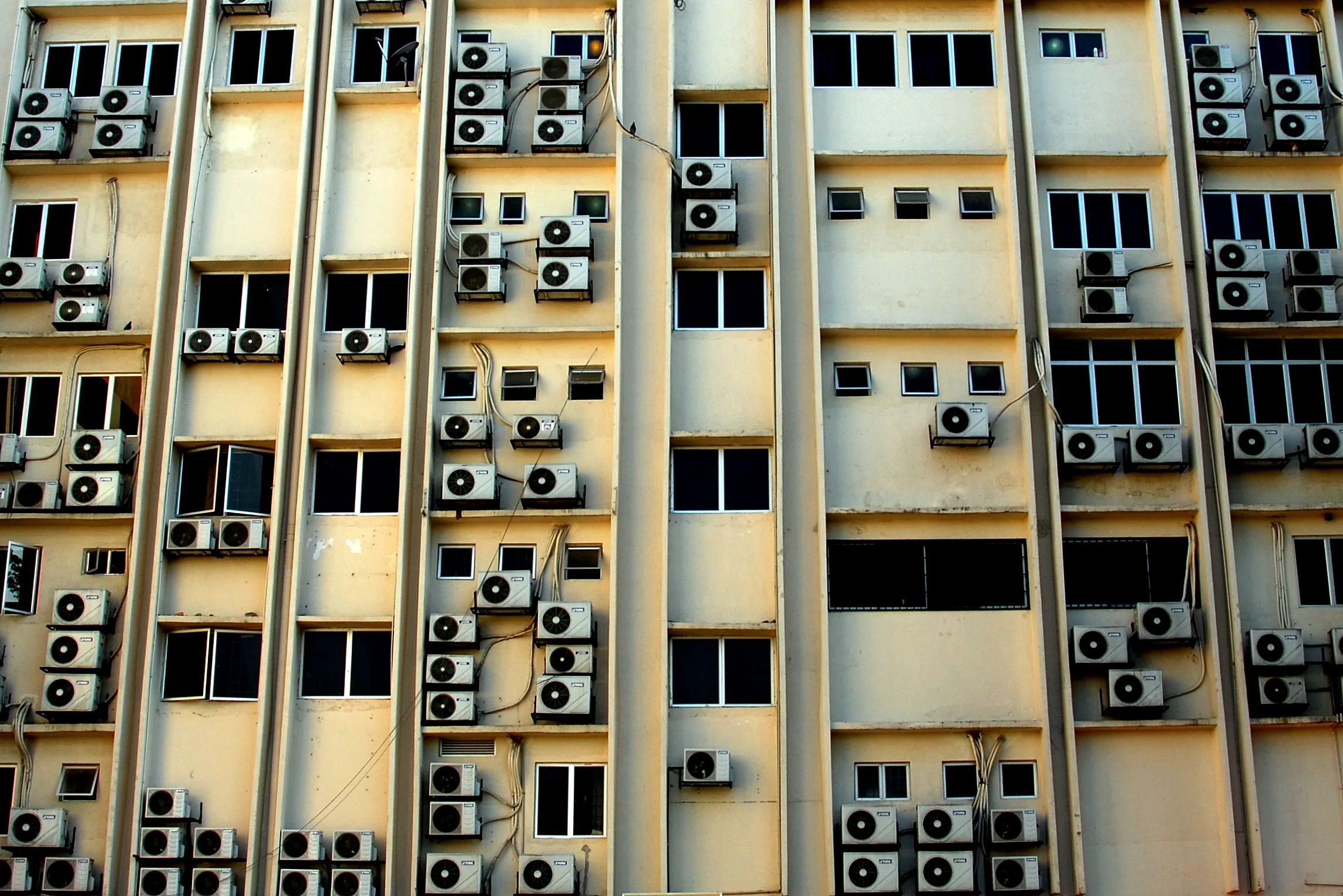
0 outdoor units marked
More than 80 outdoor air-conditioning units on a single facade. Each one is a machine that can drift, fail, or run for nobody, and most facility teams can see none of them.
Photograph: Tinou Bao, “Kuala Lumpur air conditioning”, CC BY 2.0, via Wikimedia Commons. A real building, shown as an example. Not a ProSensia site.
01 / 08 · Many buildings make one industry
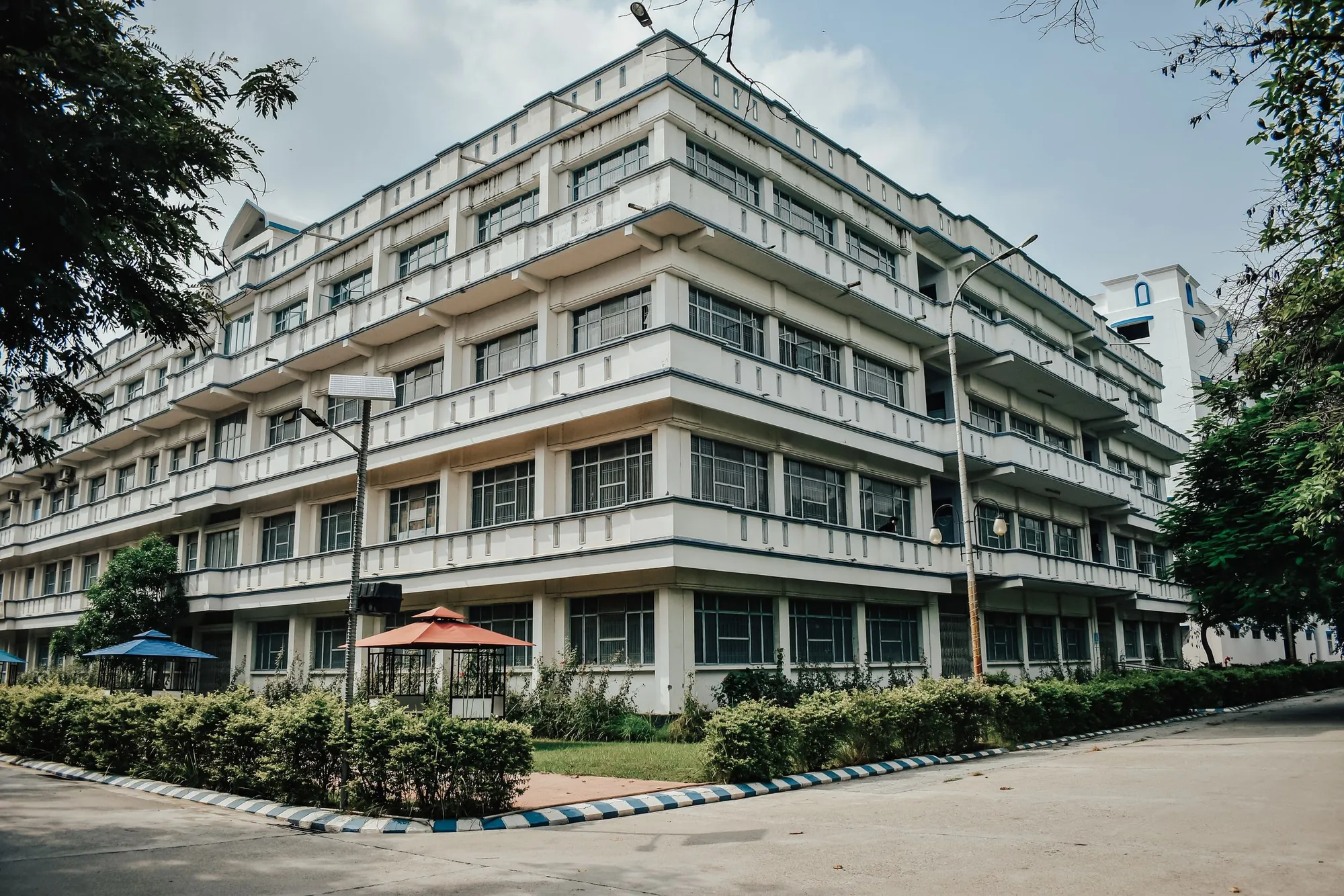
One university building
Dozens of classrooms, labs and offices, each with its own unit. Timetables change every term; the units do not know.
Switch by timetable, see every room, stop cooling empty classrooms.
02 / 08 · Many buildings make one industry
A campus is many buildings
Classrooms, laboratories, a library, hostels and offices. Hundreds of units, looked after by a small team on foot.
Every building on one screen, by block and floor.
03 / 08 · Many buildings make one industry
And on every roof
The equipment nobody sees until it stops: condensers, chillers and fans, running day and night.
Running hours and abnormal current for each connected unit.
04 / 08 · Many buildings make one industry
Hospitals
Some rooms can never be warm. A failed unit is a clinical problem, not a comfort problem.
Live status of every unit, and early warning when one changes.
05 / 08 · Many buildings make one industry
Hotels
Occupancy changes every night. Unsold rooms still cool; a failed unit in a sold room costs the guest.
Rules for unoccupied rooms and running hours per unit.
06 / 08 · Many buildings make one industry
Offices
The building empties at six. The cooling often does not.
End-of-day shut-off by floor, block or building.
07 / 08 · Many buildings make one industry
Manufacturing
Downtime is the real cost. Control rooms, server rooms and production floors depend on cooling nobody watches.
An alert the moment a critical unit stops or goes offline.
08 / 08 · Many buildings make one industry
Industrial plants
Hundreds of machines across a site. Maintenance by calendar, or by breakdown.
Maintenance based on how each unit actually behaves: our direction.
The same problem, in different weather
Pakistan
Where we started.
Middle East and North Africa
Where cooling is the grid.
Austria and Europe
Where the rules are changing.
- Circle colour and size: carbon intensity of grid electricity, 100 to 700 g CO₂e per kWh (Ember, 2024–2025)
- Dots: land. No borders are drawn. ProSensia operates in Pakistan only.
About 10%
of the world’s electricity goes to cooling: air conditioners and fans.G04
Almost 4% a year
Space cooling is the fastest-growing energy use in buildings, through 2035.G11
3.5 billion people
live in hot regions. Only about 15% of them own an air conditioner.G10
About 489,000
people die from heat each year.C03 Cooling is not a luxury.
The world needs more cooling. It cannot afford wasted cooling.
- Grid carbon intensity, g CO₂e per kWh (Ember)
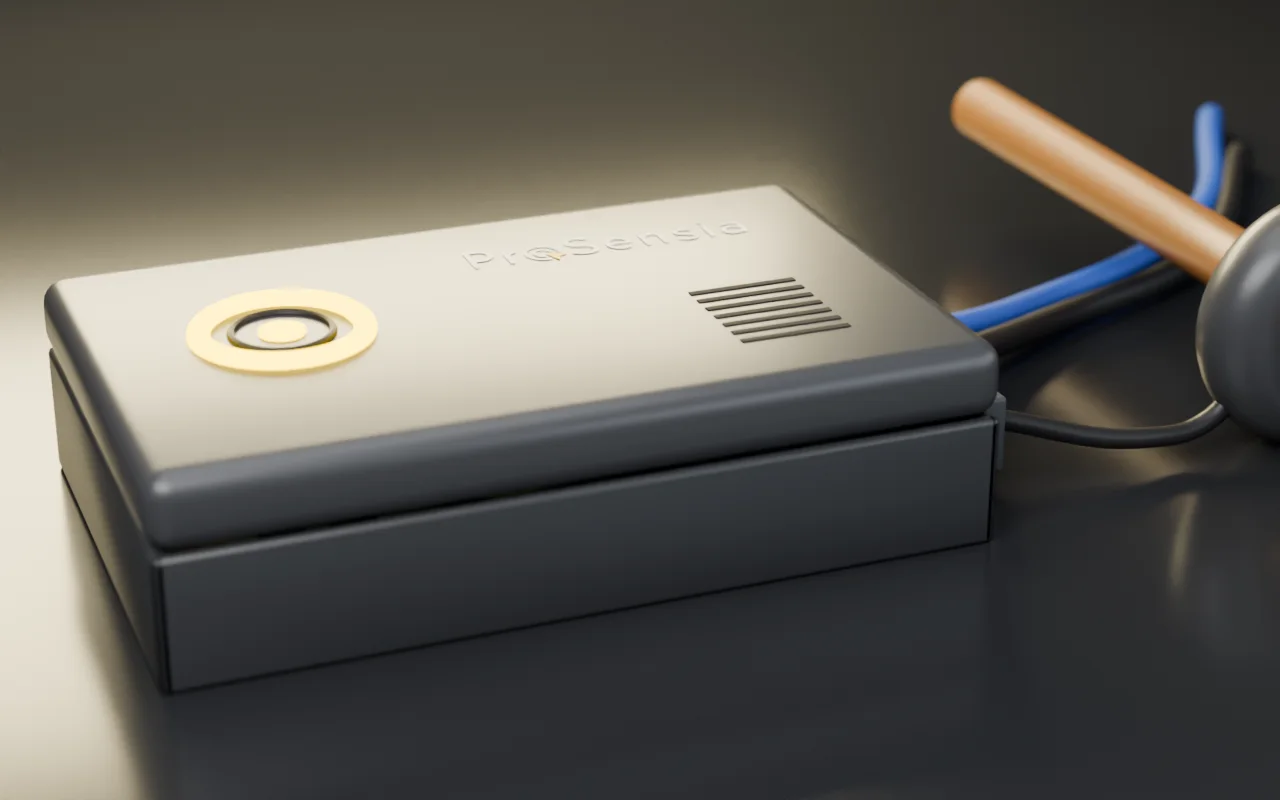
Haripur, Pakistan
It starts with one unit.

Introducing ProSensia.
A small device inside each air conditioner. One platform for every unit in every building.
The device
A small device. Built for one job.
It sits inside the air conditioner, measures how it behaves, and lets you switch it from the panel.
A light that says it is working
A status ring on the lid. Yellow means ProSensia is sensing.
It measures current
A clamp around the unit’s supply shows when it runs, for how long, and how hard.
Current: working todayIt switches the unit
Terminals connect the supply, so the unit follows the timetable and can be switched by room, block or building.
Switching: working todayA controller inside
A Wi-Fi microcontroller keeps the schedule on the device, so it holds when the network drops.
Local schedule: working todayThe next version
Four devices have been tested for more than a year; thirty are in stock. The advanced version is in development and needs much more data.
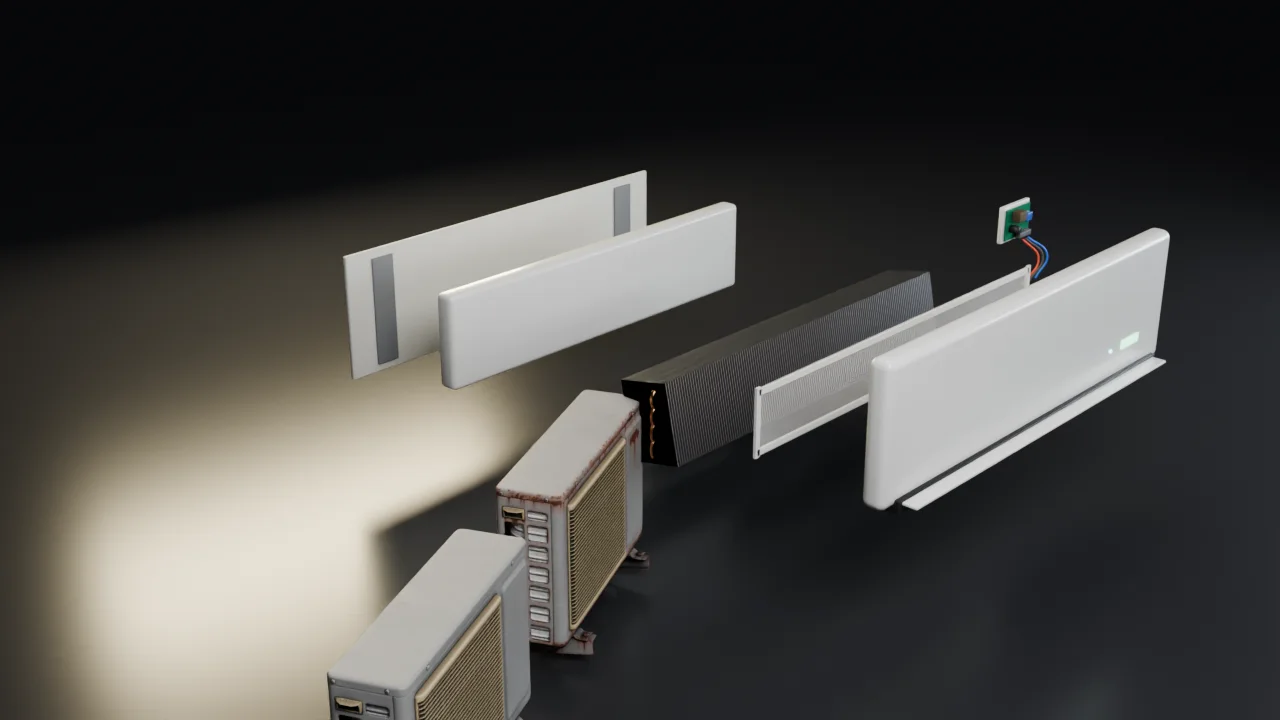
Advanced version: in development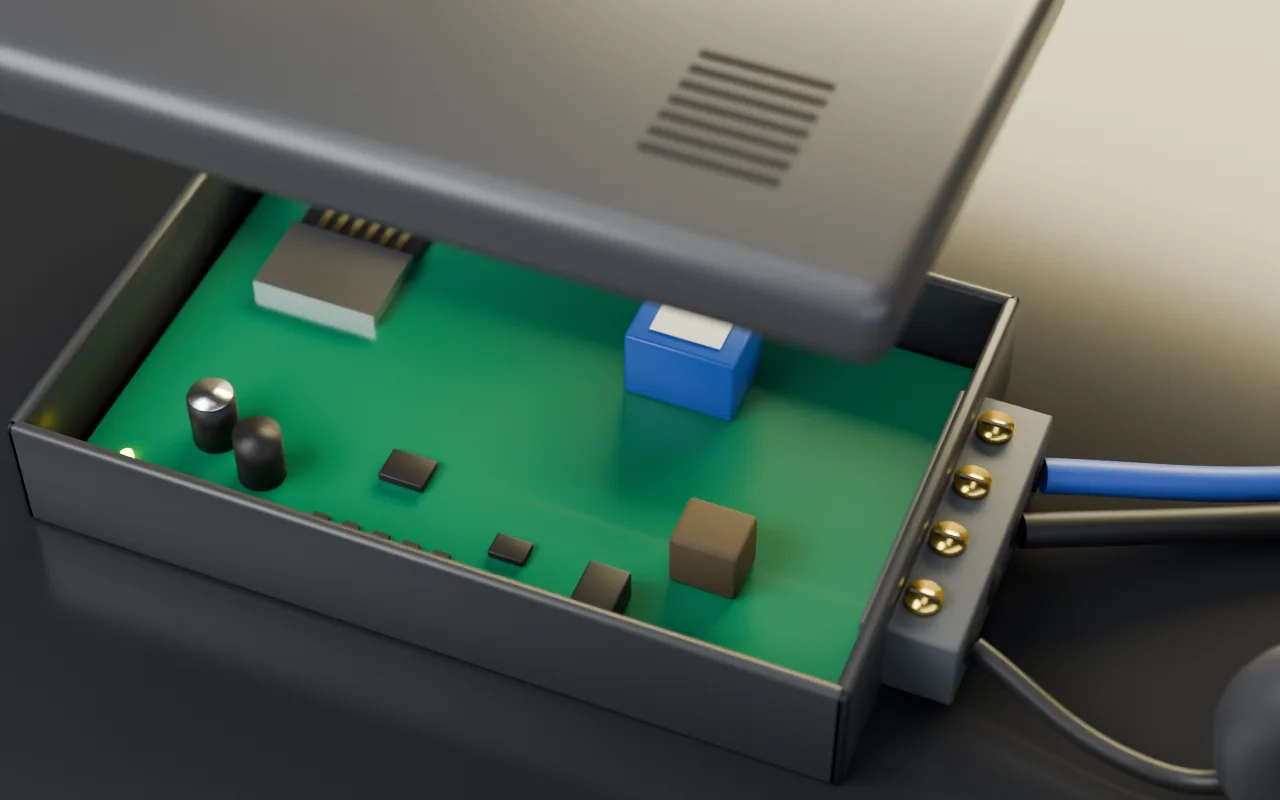 Concept render · not the final product
From unit to action
Equipment. Device. Data. Analytics. Action.
- 1 · Equipment
The air conditioner
Split units in classrooms, wards, rooms and offices. Electric geysers next.
AC today 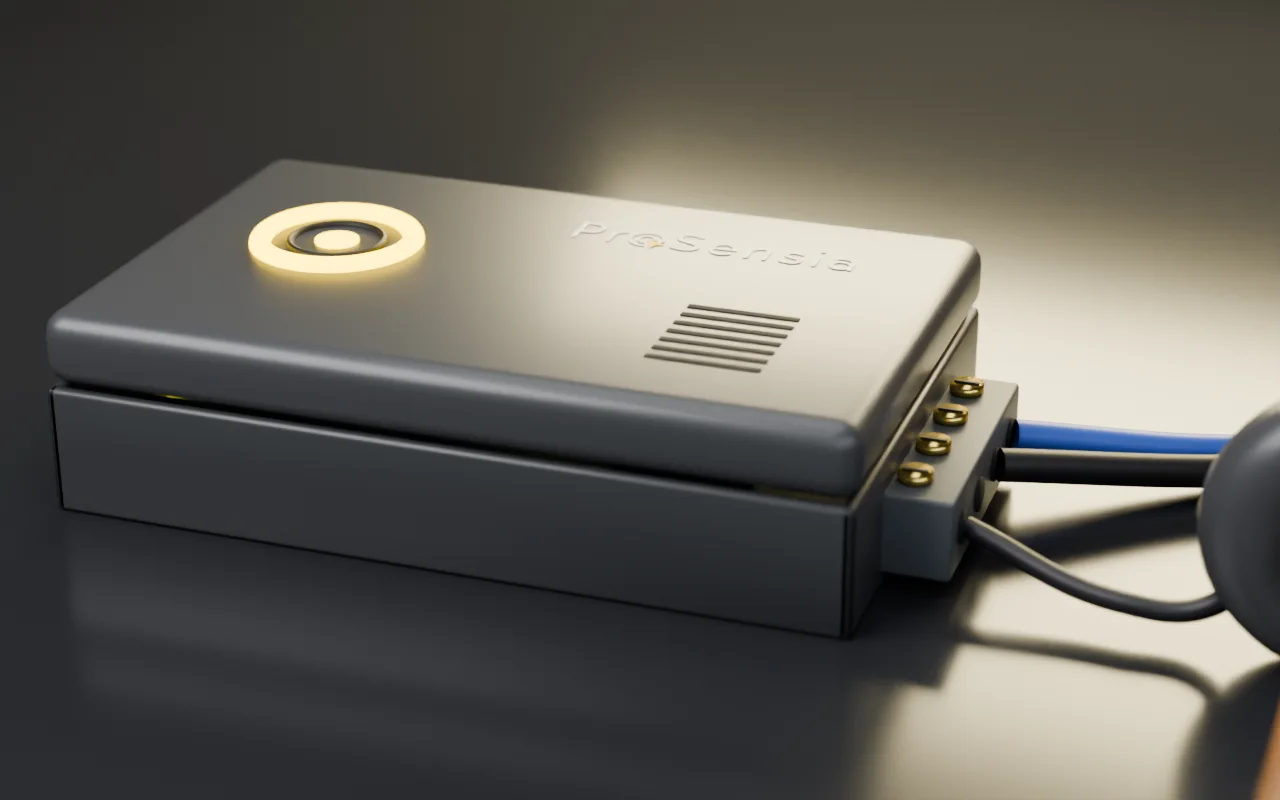 2 · IoT device
Inside the unit
Measures current, state and running time. Switches the unit.
Working today- 3 · Data
Every unit, every minute
Readings stored by room, block and building. Schedules kept on the device.
Working today - 4 · Analytics
Rules today, prediction next
Rules catch abnormal current, failed starts and units running for nobody. Per-unit baselines and prediction are being built with more data.
Prediction: in development - 5 · Action
▲ Abnormal current · A-204
Inspect filter and coil
The right unit, the right person
The facility manager sees which unit needs attention, in which room, and why.
Alerts: working today
Every repair that gets recorded teaches the system. That is why collecting data carefully is our main work today.
The dashboard
Every unit. One screen. Try it.
Open the alert. Switch a floor. Paint a timetable. Everything below is a working demo on simulated data: no real site, no real measurement.
Load today
- Needed by the timetable
- Running for nobody (illustrative)
Avoidable = a unit running while the timetable has no class in its room. Simulated.
Needs attention
By building
- Academic Block24
- Labs12
- Library8
- Hostel A15
- Running
- Idle
- Off
- Alert
- Offline
Running outside schedule
- Working today
Every unit on one map of your buildings
Floor by floor, with live state, current and running hours.
- Working today
Switch a room, a floor or a building
With a confirmation, and limited by the user’s role.
- Working today
Timetables that the units follow
Paint the week. The schedule lives on the device.
- Working today
Alerts you can act on
Abnormal current, failed start, offline, running outside schedule.
- Working today
Energy, with the waste shown apart
Needed versus running for nobody. Electricity emissions kept separate from refrigerant.
- In development
Drift from each unit’s own normal
Baselines and inspection flags, learned from more data.
The vision
One classroom. Then the world’s infrastructure.
- TodayOne classroom: 4 devices, tested for more than a year
- In stock30 devices built in Pakistan
- VisionMany classrooms, one university building
- VisionEvery building on a campus
- VisionHospitals, hotels, offices, plants
- VisionAcross Pakistan
- VisionAustria and Europe, the Gulf, Australia
- VisionConnected infrastructure, worldwide
Our mission is to make intelligent maintenance and operational efficiency accessible across the world’s infrastructure.
The most valuable thing we are building today is data. Model quality depends on it, and data from one unit does not automatically predict another.
- Operating today: Pakistan
- Vision: future network
- Long-term ambition, not current operations. Today ProSensia operates in Pakistan.
The film
One minute, start to finish.
The problem, the device, the dashboard and the plan in 61 seconds. Concept renders and simulated data are labelled in the film.
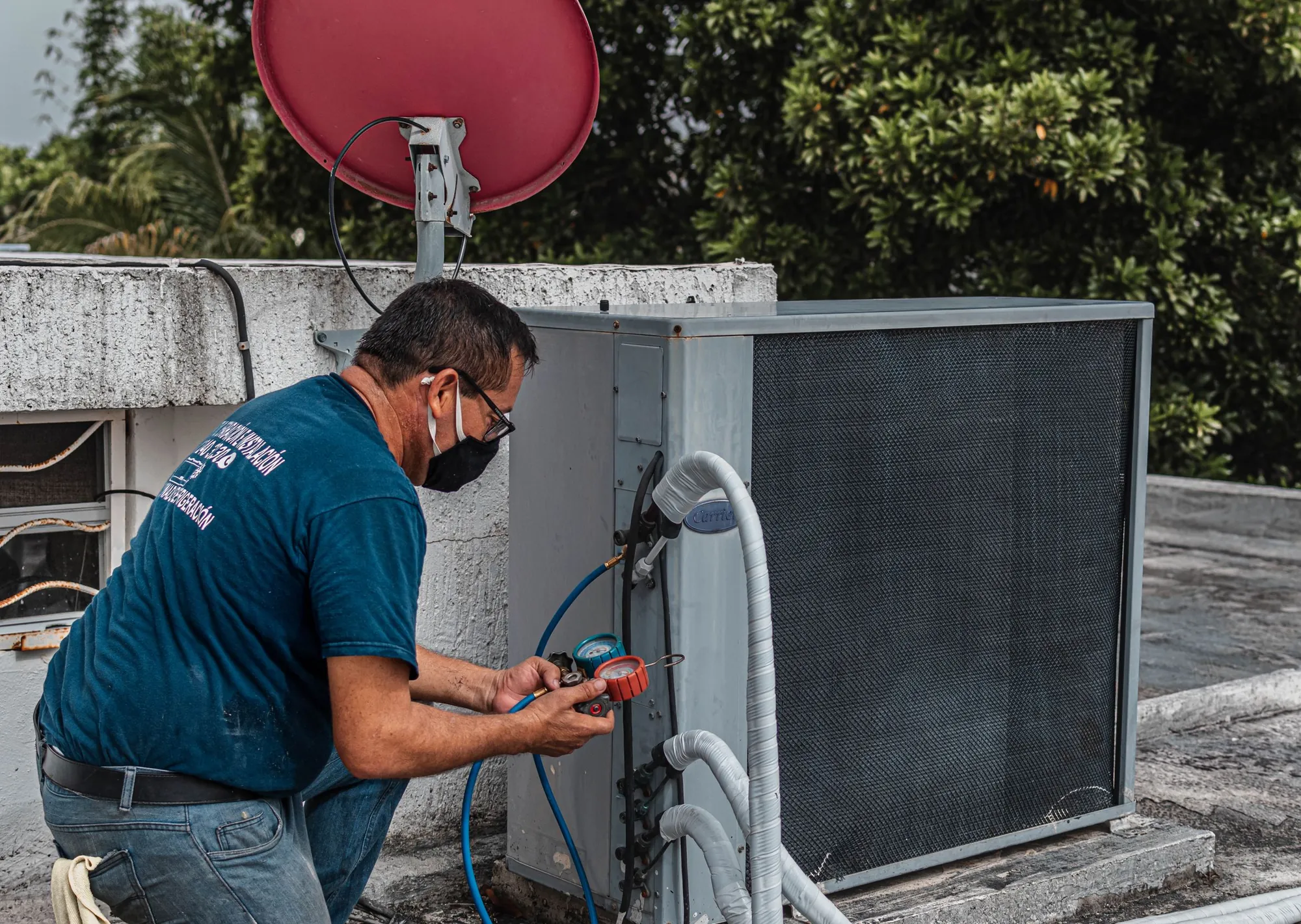
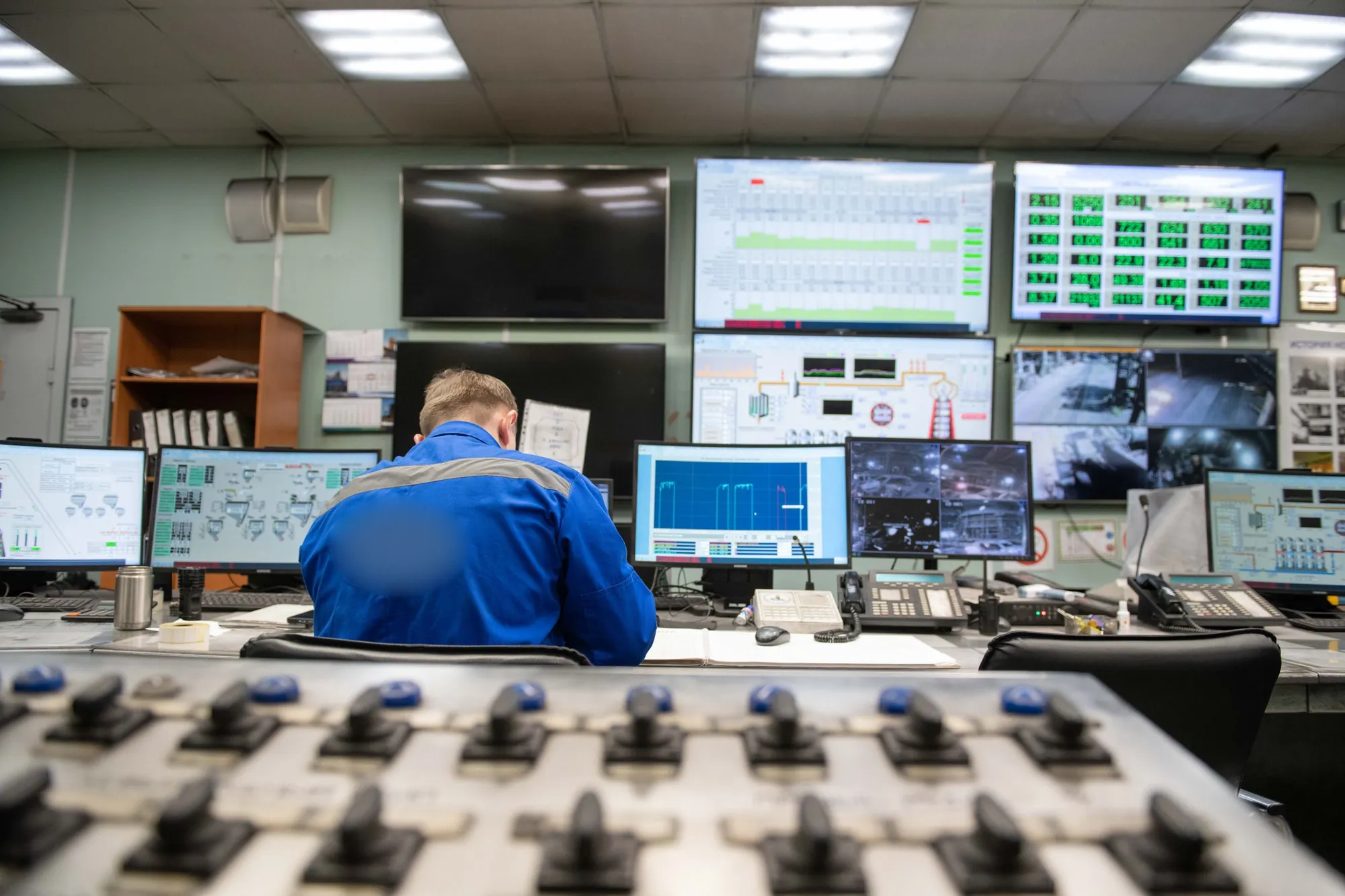
Photos: Pexels contributors (see Sources) and Tinou Bao, CC BY 2.0, Wikimedia Commons. The device and the air-conditioner interior are concept renders. The music is original and was composed for this film.
This is where we are. That is where we are going.
4
devices tested on working air conditioners for more than a year.
30
devices built and in stock in Pakistan.
Next
An advanced version is in development. It needs much more data, so collecting it carefully is the main work today.
Verified milestones
- May 2024
Incorporated in Pakistan as PROSENSIA (SMC-PRIVATE) LIMITED.
- July 2024
Finalist, Google Cloud Startup Competition Pakistan 2024.
- October 2024
Accepted into the National Incubation Center Islamabad, Cohort 2.
- 2024
Winner, Idea Pitching Award, Mega Expo 2024. Top 8 at the Zindigi Prize KP finals. First runner-up, Tabeer. Top 15, Innovate 4.0.
- Pilot
Four devices tested on working air conditioners at PAF-IAST, Haripur, for more than a year, with a certificate of implementation from the university.
- Now
Thirty devices built and in stock in Pakistan. The next, more advanced version is in development.
- 2026
Product upgrade project supported by the Directorate General of Science and Technology, Khyber Pakhtunkhwa.
Measurement in progress
The university has confirmed a noticeable reduction in energy consumption on the units where devices were tested. We will publish a measured figure when the data supports one.
See it on your own units
Tell us roughly what you run. We will reply by email with what a pilot would involve.